
What Should You Know Before Creating an Estate Plan?
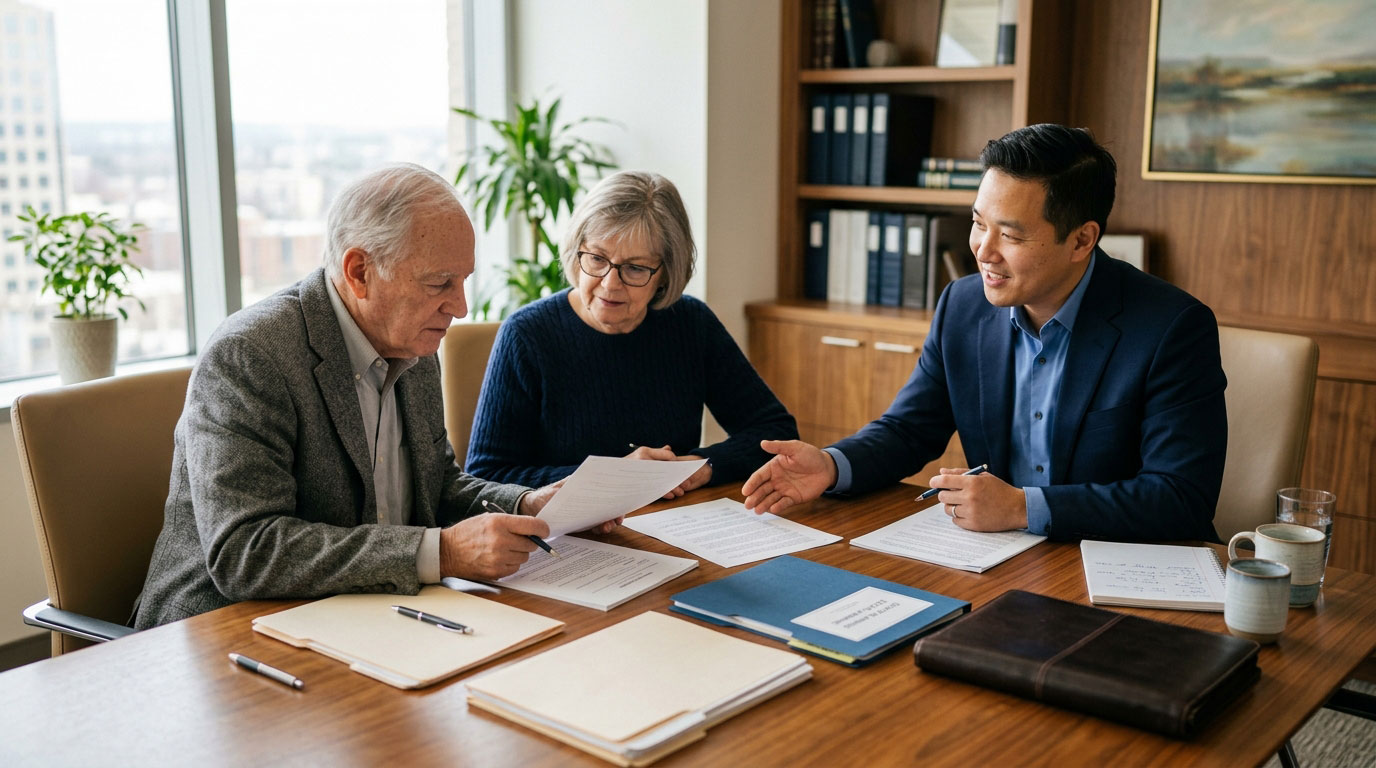
Planning for the future involves important decisions about your property, finances, healthcare preferences, and the people who may need to manage your affairs. While many people think estate planning is only necessary for wealthy individuals, creating an estate plan can benefit people at many stages of life.
An estate plan can provide guidance for your loved ones, help organize important decisions, and establish how certain matters should be handled if you become unable to make decisions yourself. Understanding the basics of estate planning can help you determine what documents and considerations may apply to your situation.
Understanding the Purpose of Estate Planning
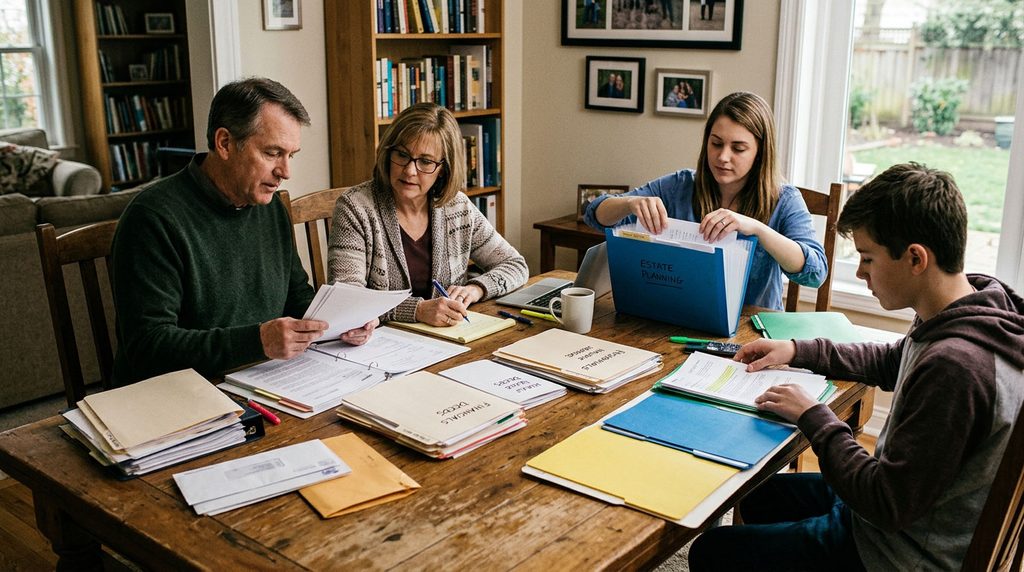
Estate planning is the process of preparing legal documents and making decisions about how your assets, responsibilities, and personal wishes should be handled. A well-prepared estate plan can help reduce uncertainty for family members and provide direction during difficult circumstances.
Many estate plans address several common concerns, including:
- How property and financial assets should be distributed
- Who should make decisions on your behalf if you become unable to do so
- Who should manage certain responsibilities after your death
- How minor children or dependents should be cared for
- How estate administration should be handled
Estate planning decisions are personal and depend on individual circumstances. Factors such as family relationships, property ownership, financial goals, and future plans can influence what type of planning may be appropriate.
Why Estate Planning Matters
Without an estate plan, important decisions may be determined through state laws and court procedures rather than according to your preferences. This can create additional challenges for family members and may lead to disagreements or delays.
Creating an estate plan allows individuals to communicate their intentions clearly and prepare for situations that may occur in the future.
Common Documents Used in Estate Planning
Estate planning often involves several different legal documents. The documents used may vary depending on a person’s needs, goals, and circumstances.
Last Will and Testament
A will is one of the most common estate planning documents. It allows an individual to provide instructions regarding certain property, name beneficiaries, and identify a person responsible for helping manage the estate process.
A will may also include decisions involving guardianship for minor children. Because each person’s situation is different, it is important to carefully consider what should be included in a will.
Trusts
A trust is another estate planning tool that may be used to manage assets and provide instructions regarding how property should be handled. Trusts can serve different purposes depending on the goals of the person creating the trust.
Some individuals use trusts as part of a broader plan to manage assets, provide for beneficiaries, or address specific financial circumstances.
Power of Attorney
A power of attorney allows someone to authorize another person to act on their behalf in certain situations. These documents may address financial matters, property decisions, or other responsibilities.
Healthcare Directives
Healthcare planning documents can help communicate medical preferences and identify who may make healthcare decisions if a person cannot communicate those decisions themselves.
Wills, Trusts, and Probate Explained
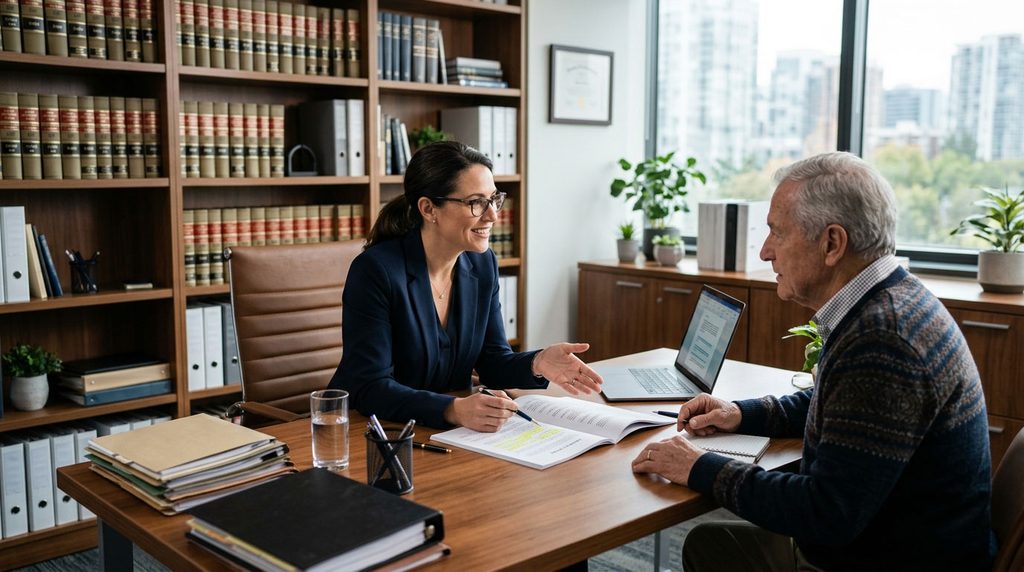
Probate is the legal process used to administer certain estates after someone passes away. The probate process may involve validating a will, identifying assets, addressing debts, and distributing property according to applicable laws.
How Probate Works
The probate process can involve several steps, including:
- Filing required documents with the appropriate court
- Identifying and valuing estate assets
- Paying valid debts and expenses
- Distributing remaining assets to beneficiaries
The complexity of probate can depend on factors such as the size of the estate, whether disputes exist, and whether proper planning was completed before death.
When Should Someone Consider Creating an Estate Plan?
There is no single age or life event that determines when someone should create an estate plan. Many people begin considering estate planning when they experience significant changes in their lives.
Common Reasons to Review Estate Planning Options
- Marriage or divorce
- The birth or adoption of a child
- Purchasing real estate
- Starting or selling a business
- Changes in financial circumstances
- Changes in family relationships
- Preparing for retirement
Estate planning should also be reviewed periodically because personal circumstances, financial situations, and laws may change over time.
Estate Planning and Protecting Your Future
A thoughtful estate plan can provide greater clarity and help families understand how important decisions should be handled. It can also help individuals organize their affairs and communicate their wishes.
Estate planning is not only about distributing assets. It is also about preparing for unexpected situations and making sure important responsibilities are addressed.
Individuals who have questions about estate planning, wills, trusts, or probate may benefit from discussing their circumstances with a qualified legal professional.
Frequently Asked Questions About Estate Planning
Do only wealthy people need an estate plan?
No. Estate planning can benefit individuals with different levels of assets. Many people create estate plans to organize property, provide instructions, and help their families understand their wishes.
Is a will enough for estate planning?
A will may be an important part of an estate plan, but some individuals may need additional documents depending on their circumstances and goals.
How often should an estate plan be updated?
Many people review their estate plans after major life events or significant financial changes to determine whether updates are needed.
Understanding Your Estate Planning Options
Estate planning involves important decisions that can affect you and your loved ones in the future. Learning about wills, trusts, probate, and related legal concepts can help you prepare questions and better understand available options.
For additional information about legal topics involving estate planning and other areas of law, explore our legal resources and educational guides.
You can also learn more about related legal topics through resources provided by the Tennessee Courts.